
Valencia is often misunderstood at first
Many travellers arrive expecting something similar to Barcelona or Madrid: a fast-moving European city filled with landmarks, schedules, and obvious tourist energy. But Valencia works differently.
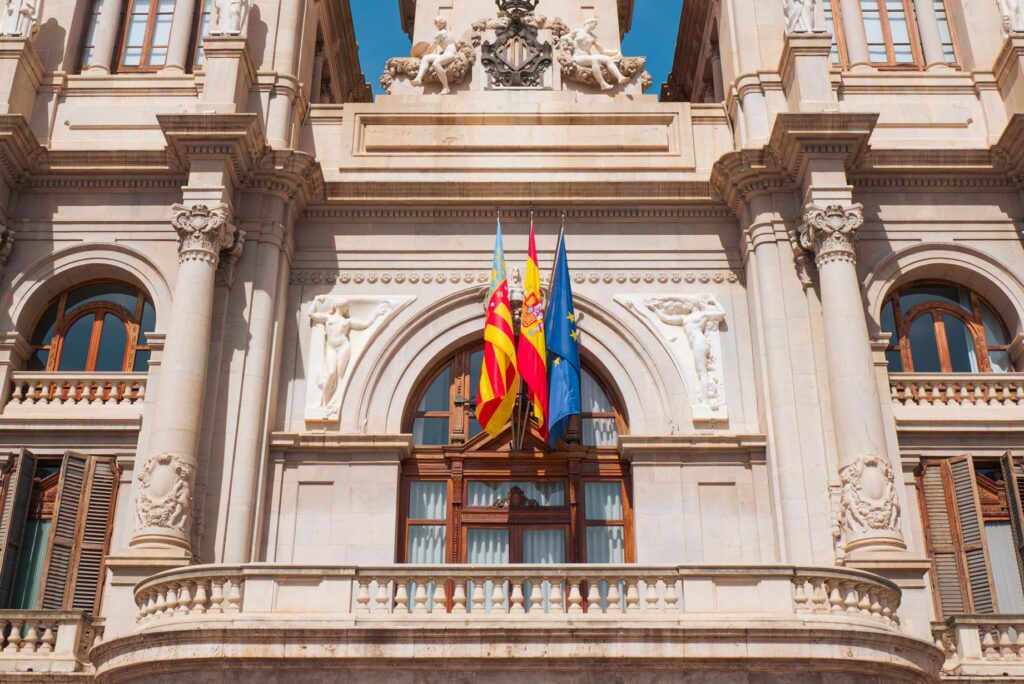
When Americans think about Spain, they often imagine Barcelona or Madrid first
And while those cities are an important part of Spain’s identity, Valencia offers something quieter, slower, and often more emotionally memorable than visitors expect. And if you are here, you probably want to understand what Americans usually misunderstand about Valencia.
To understand the city properly, you have to look beyond the beaches and famous landmarks and pay attention to everyday moments: the morning coffee standing at the bar, long lunches that slowly become conversations, children playing outside late at night, neighbours talking across terraces, or entire plazas staying alive long after midnight.

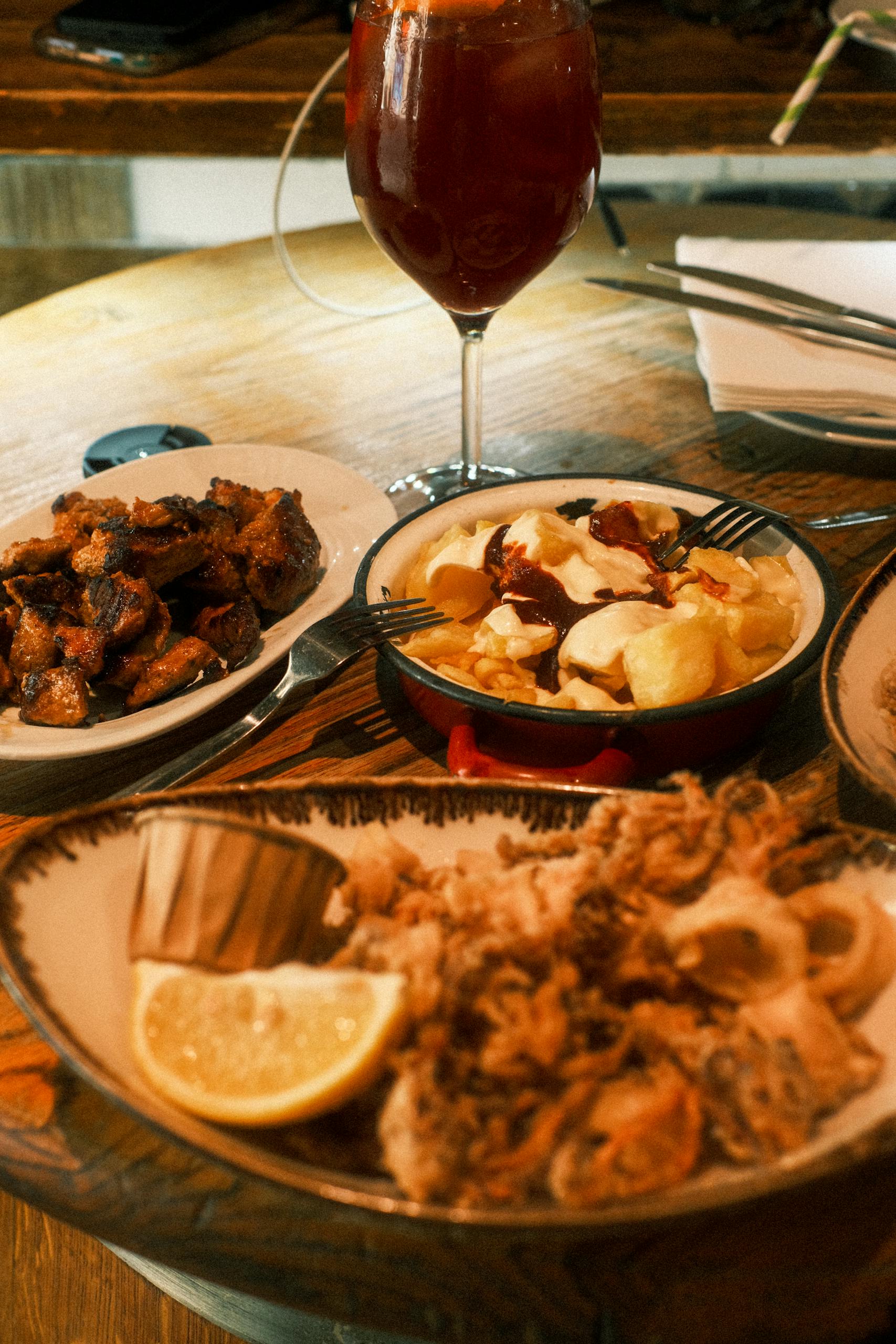
Valencia’s culture is deeply connected to Mediterranean life
Long evenings outdoors, fresh markets, beach culture, orange trees, shared meals, strong neighbourhood life, and a very different relationship to time all shape the way people live here.
Here are some of the things Americans most commonly misunderstand about Valencia, and why those differences are often exactly what makes the city memorable.
Valencia is not built around urgency
One of the first things many Americans notice is that Valencia moves at a different pace.
Lunches are longer. Coffee breaks are not rushed. People spend time outside without needing a reason. Conversations continue in the street long after dinner is finished.
For visitors coming from highly scheduled environments, this can initially feel confusing or inefficient. But daily life here is not entirely organised around productivity.
In Valencia, there is still space for lingering.
And once many travellers adapt to that slower rhythm, they often realise how exhausted they were before arriving.Dinner happens much later than Americans expect
One of the biggest cultural adjustments for American visitors is meal timing.
In Valencia:
- lunch often begins around 2pm
- dinner rarely starts before 9pm
- restaurants may feel completely empty at 6:30pm
At first, many travellers assume places are closed or unpopular.
But Spanish meal culture follows a rhythm shaped by climate, social habits, and long evenings outdoors.
The result is a city that often feels more vibrant at 10pm than at 5pm.
Noise does not mean conflict
Many American visitors are surprised by how loud Valencia can feel.
People speak loudly in cafés. Families gather outside late into the night. Conversations overlap constantly. Children remain active in public spaces much later than in many American cities.
But what can initially feel chaotic often reflects warmth rather than tension.
In Valencia, public life is deeply social. Streets and plazas are extensions of the home.
Once visitors stop associating noise with aggression, the city usually starts to feel much more welcoming.
Eating is a social experience, not just a meal
Food culture in Valencia is not only about what people eat. It is about how they eat.
Meals are rarely rushed. People stay seated long after finishing dinner. Coffee can easily last an hour. Shared plates encourage conversation and slower rhythms.
Even simple things feel more intentional:
- fresh orange juice in the morning
- olives automatically served with drinks
- long Sunday lunches
- late dinners shared outdoors
For many American travellers, this slower and more social relationship with food becomes one of the most memorable parts of the city.
If you want to discover more about local food traditions, you can also read our guide on
what to eat in Valencia beyond paella You can also explore the official guide to
Valencian gastronomy .
Valencia feels more human than performative
Many visitors expect Mediterranean cities to feel heavily curated for tourism.
But Valencia often feels more lived-in than performative.
People still shop at local markets. Neighbourhood cafés remain full of regulars. Families gather outside at night without planning elaborate social events.
The city still feels like a place where people genuinely live, rather than a destination entirely shaped around visitors.
And that authenticity is often what travellers remember most.
Personal space works differently here
Americans are sometimes surprised by how physically andsocially close interactions can feel in Valencia.
People stand closer while talking. Greetings are warmer and more direct. Daily interactions with waiters, shopkeepers, or neighbours often feel less formal.
This does not mean people are intrusive.
It simply reflects a more relational and collective social culture.
Valencia is not trying to impress you
One of the most interesting things about Valencia is that the city does not constantly try to prove itself.
Compared to larger European destinations, Valencia feels less performative, less saturated, and often less concerned with prestige.
And paradoxically, that is exactly why many people end up falling in love with it.
The city feels:
- beautiful without trying too hard
- lively without becoming exhausting
- international while remaining local
- elegant without feeling pretentious
For travellers tired of overtourism and highly curated experiences, Valencia can feel deeply refreshing.
You can explore more about Valencia’s neighbourhoods and cultural life through the official Visit Valencia website . You can also learn more about local traditions and Mediterranean lifestyle through Valencia’s historical and cultural background .
What many Americans end up loving about Valencia
Most visitors initially come for:
- the weather
- the beaches
- the food
- the architecture
But many leave remembering something less obvious.
The slower mornings. The long conversations outside. The late dinners. The feeling of not constantly needing to rush somewhere.
Valencia rarely overwhelms people through spectacle.
Instead, it slowly changes the way they experience everyday life.
And that is often much more meaningful.
FAQ about Valencia culture
Why do people eat so late in Valencia?
Meal times in Valencia are shaped by climate, work schedules, and Mediterranean social habits. Dinner often starts after 9pm, especially during warmer months.
Is Valencia more relaxed than Barcelona?
Generally, yes. Valencia tends to feel slower, more residential, and less saturated by tourism than Barcelona.
Is Valencia good for slow travel?
Absolutely. Valencia is ideal for travellers looking for local culture, outdoor living, slower rhythms, and more human-scale experiences.
What makes Valencia feel different from American cities?
Many travellers notice differences in social life, meal timing, outdoor culture, public space, and the overall relationship to time and daily rhythm.
If you want to experience Valencian food culture more personally, you can also explore our small-group food and culture experiences . and our best cafés experience in Valencia