
Discovering Valencia Through Its Everyday Flavours
If you are wondering what to eat in Valencia beyond paella, the city offers a rich food culture shaped by the Mediterranean, local traditions, seafood, rice fields, and everyday social rituals.
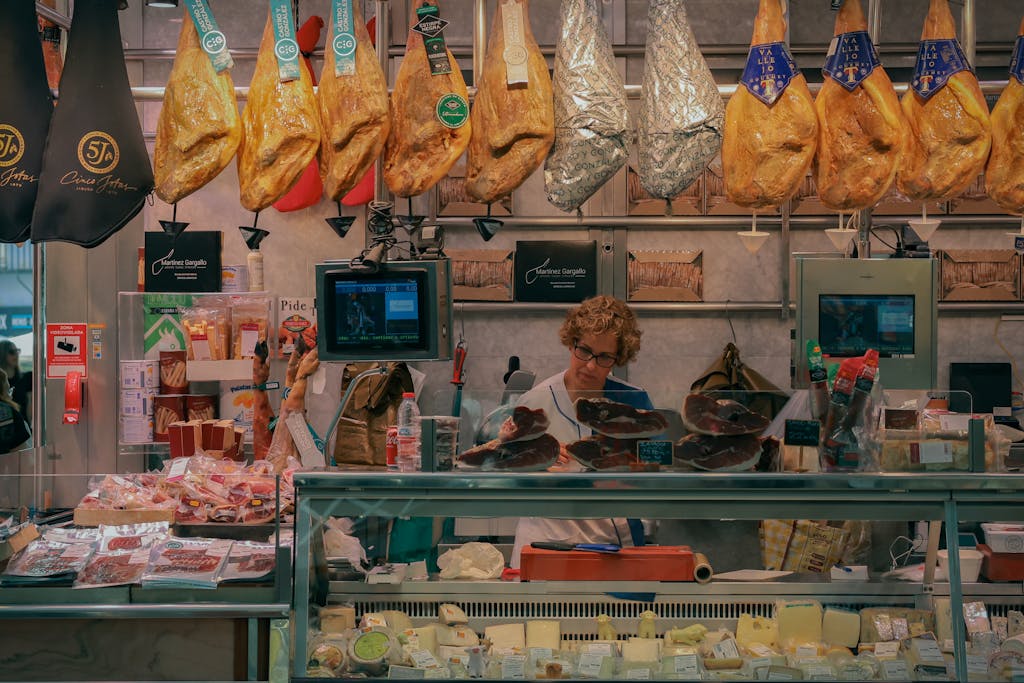
When people think about Valencia, they usually think about paella first.
And while paella is an essential part of the city’s identity, Valencian food culture is much richer, more diverse, and often more subtle than visitors expect. And if you are here, you want to know what to eat in Valencia.
To understand Valencia through food, you have to look beyond the famous dishes and pay attention to everyday rituals: the morning coffee standing at the bar, the small plates shared between friends, the late lunch that stretches into conversation, the smell of orange blossom in spring, or the horchata drunk slowly during the summer heat.
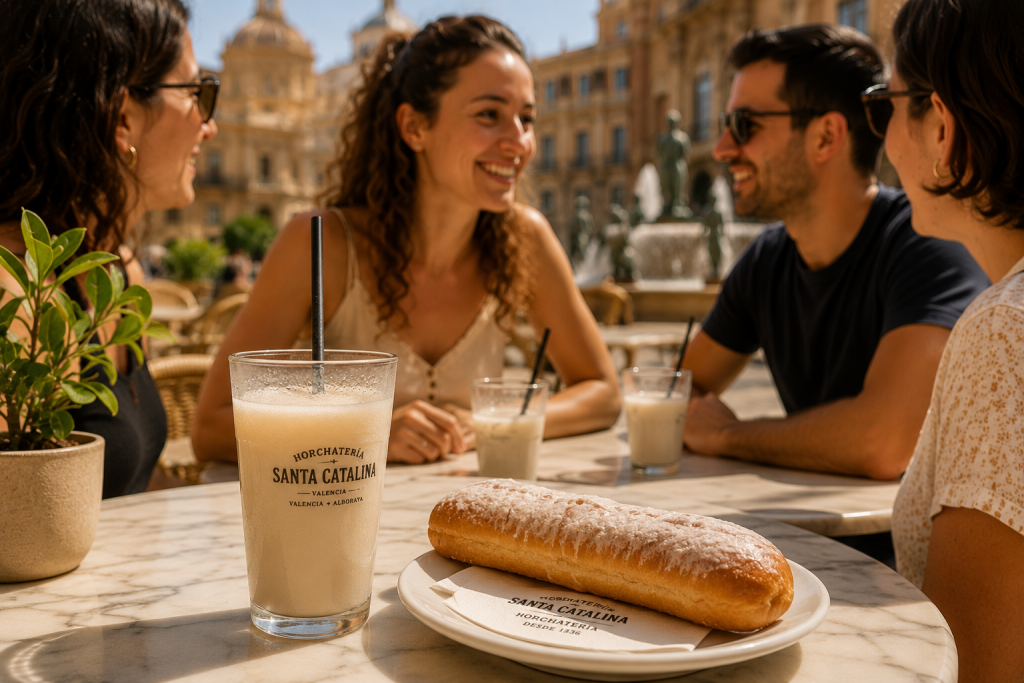
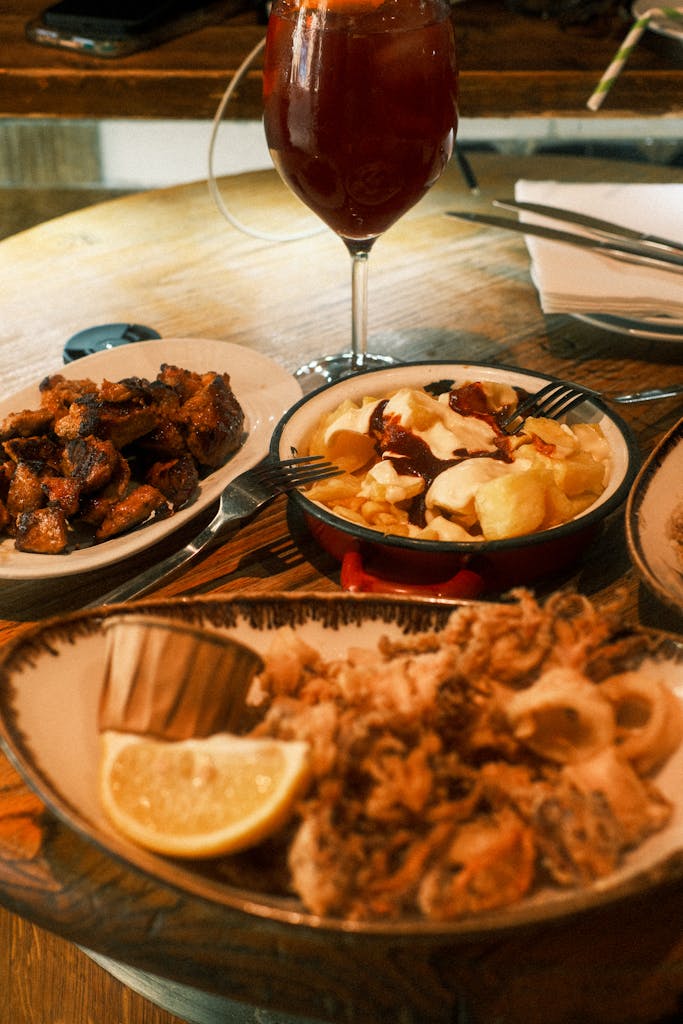
Valencian cuisine is deeply connected to the Mediterranean landscape
rice fields, citrus groves, fishing villages, local markets, olive oil, and seasonal produce all shape the way people eat here.
Here are some of the foods and drinks worth discovering if you want to experience Valencia in a more local and human way.
1. Esgarraet
Esgarraet is one of the simplest and most traditional dishes you can find in Valencia. It is made with roasted red peppers, salted cod, olive oil, and sometimes a little garlic.
The name comes from the Valencian word esgarrar, which means “to tear apart”, because the peppers and cod are pulled into thin strips by hand rather than cut cleanly with a knife.
The cod is usually salted before being rinsed and mixed with the sweetness of the peppers and the richness of olive oil. The contrast between salty and sweet is one of the signatures of Mediterranean cuisine.
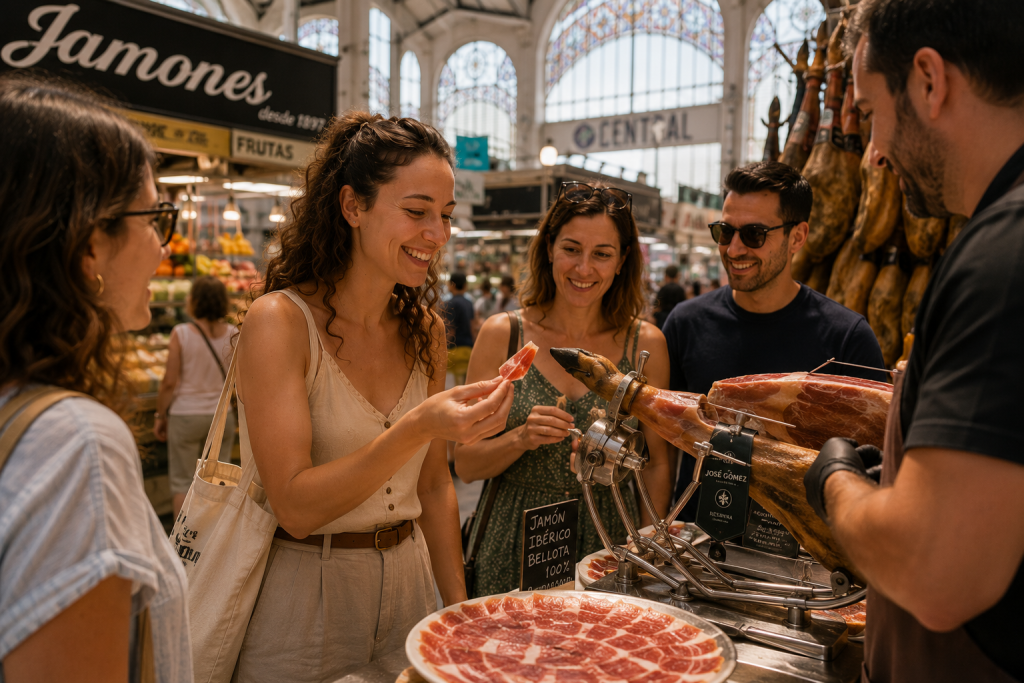
How locals eat it
Esgarraet is often shared in the middle of the table with bread. Many people use the bread to soak up the olive oil left on the plate.
Why it matters culturally
It represents a style of cooking that is deeply Valencian: humble ingredients transformed into something elegant through patience and balance.
2. Titaina
Titaina comes from El Cabanyal, Valencia’s historic fishing neighbourhood near the sea. It is made with tomato, red pepper, pine nuts, olive oil, and tonyina de sorra, a salted tuna belly that has been preserved using traditional methods.
The dish is slowly cooked until the vegetables become soft and concentrated in flavour. The pine nuts add texture, while the salted tuna gives depth and intensity.
How locals eat it
It is often served on small pieces of bread as an aperitif or tapa, especially in family gatherings or traditional restaurants.
Why it matters culturally
Titaina reflects Valencia’s maritime identity and preserves the culinary memory of neighbourhoods shaped by fishing and trade. Definitely a must try traditional Food to Eat in Valencia.
3. All i Pebre
All i pebre is one of the most emblematic dishes from the Albufera region south of Valencia. The name literally means “garlic and paprika”.
Traditionally, it is prepared with eel, potatoes, garlic, paprika, olive oil, and sometimes almonds. The dish is cooked slowly in a clay pot until the sauce becomes thick and deeply flavoured.
For many visitors, eel may sound unusual, but it has been eaten around the Albufera lagoon for generations because of the region’s connection to fishing and wetlands.
How locals eat it
It is usually enjoyed as a long lunch, often shared between several people with plenty of bread and wine.
Why it matters culturally
The dish tells the story of Valencia before tourism: rice farmers, fishermen, boats, wetlands, and traditional rural life.
4. Coca Valenciana
Coca is often compared to pizza, but it has its own identity and traditions. It is a flatbread that can be topped with roasted vegetables, tuna, onions, sausage, or anchovies depending on the region and season.
Some versions are savoury, while others can even be sweet.
The dough is usually light and slightly crisp, designed for sharing and informal eating.
How locals eat it
You will often find coca during celebrations, family gatherings, festivals, or simple afternoon snacks.
Why it matters culturally
It represents the relaxed and communal side of Mediterranean eating: simple food made to be shared casually.
5. Clóchinas
Clóchinas are Valencian mussels, smaller and more delicate than many other mussel varieties found in Europe.
Unlike industrial mussels, clóchinas are seasonal and locally prized for their intense flavour and softer texture.
They are usually steamed with lemon, garlic, bay leaf, or a touch of white wine.
When to eat them
Their season is short, generally from spring to late summer, which makes them feel more special and anticipated.
Why it matters culturally
For travellers looking for authentic local food and understanding what to eat in Valencia this is a must-try. Clóchinas are deeply associated with summer terraces, seaside meals, and slow evenings with friends.
6. Horchata and Fartons
There is what to eat in Valencia but also what to drink. Horchata is one of Valencia’s most iconic drinks. It is made from tiger nuts, known locally as chufas, which are grown in the fields north of the city.
The tiger nuts are soaked, crushed, mixed with water, and lightly sweetened to create a fresh and creamy drink.
It is traditionally served very cold during the warmer months.
Fartons are long, soft pastries covered with a light glaze, specifically designed for dipping into horchata.
How locals experience it
Going for horchata is almost a ritual in Valencia during summer. Families and friends gather in traditional horchaterías after a walk or during the late afternoon heat.
Why it matters culturally
Horchata is not simply a drink. It is part of Valencia’s agricultural identity and summer rhythm.
7. Agua de Valencia
Despite the name, Agua de Valencia is actually a cocktail made with fresh orange juice, cava, vodka, and gin.
It was reportedly created in Valencia in the 1950s and slowly became one of the city’s most famous drinks.
Because Valencia is surrounded by orange groves, citrus naturally plays an important role in local food and drink culture.
How locals drink it
Agua de Valencia is usually shared in groups rather than ordered individually. It belongs to moments of celebration, conversation, and long evenings.
Why it matters culturally
It captures something very Valencian: sociability, freshness, warmth, and a certain Mediterranean lightness.
8. Buñuelos
Buñuelos are fried dough pastries traditionally eaten during Las Fallas, Valencia’s most famous festival.
Some versions are made with pumpkin, which gives them a softer texture and subtle sweetness.
They are often served hot with thick hot chocolate.
How locals eat them
During Las Fallas, temporary street stands appear all over the city selling fresh buñuelos late into the night.
Why it matters culturally
The smell of buñuelos is closely linked to childhood memories, festivals, fireworks, and Valencian collective identity.
9. Oranges in Everyday Life
Valencia’s relationship with oranges goes far beyond juice.
Orange trees line many streets, orange blossom perfumes the air during spring, and citrus flavours appear in desserts, cocktails, sauces, and pastries.
The surrounding region became internationally famous for orange production during the nineteenth century, shaping both the economy and visual identity of Valencia.
How to Eat Like a Local in Valencia
Eat later than you might expect
Lunch is often eaten between 2pm and 4pm, while dinner can start after 9pm.
Take your time
Meals are social moments. In Valencia, people rarely rush through lunch.
Share dishes
Many meals are built around sharing small plates in the centre of the table.
Follow the seasons
Many traditional foods appear only during certain times of year, which makes them more meaningful.
Final Thought
Learning what to eat in Valencia also means understanding local habits, meal times, and Valencian culture. Paella may be Valencia’s most internationally famous dish, but the city’s food culture is much more intimate than a single recipe.
To eat in Valencia is to discover stories of fishermen, farmers, cafés, markets, family tables, orange groves, and long Mediterranean afternoons.
You can also visit the official Visit Valencia website to explore local food markets and seasonal events.
The most memorable flavours are often not the most famous ones. They are the dishes connected to daily life, conversation, and the rhythm of the city itself.
Still not sure of what to eat in Valencia ? If you want to experience Valencian food culture more personally, you can also explore our small-group food and culture experiences . and our best cafés experience in Valencia